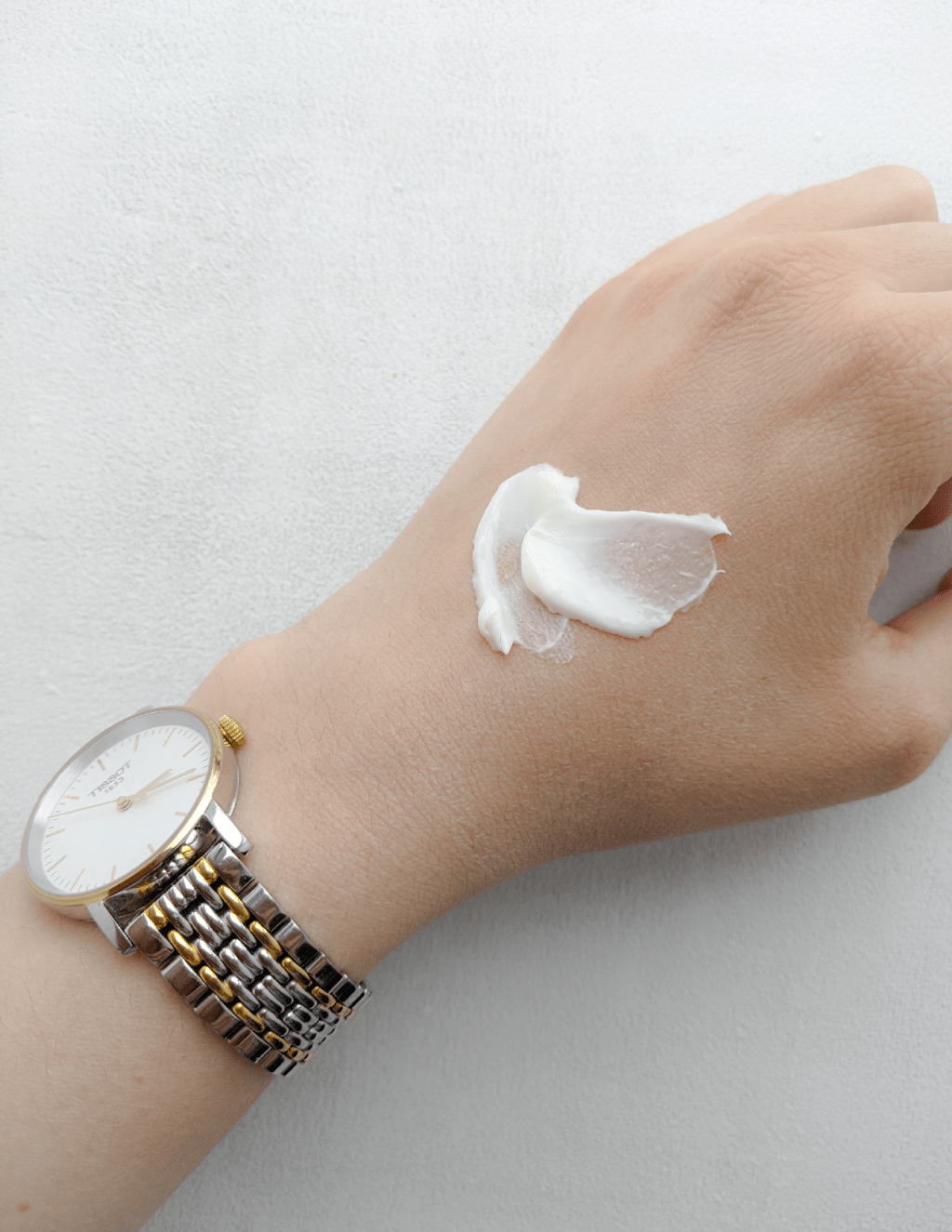
The first skin layer, the epidermis, has an outer layer of dead horny cells. They make the skin resistant to mechanical influences and prevent foreign substances from entering the body.

Between these horny cells there are skin lipids, so-called ceramides, which bind the horny cells like glue and make them water-resistant. This way as little water as possible evaporates over the surface.
Above these horny cells there is the protective acid mantle. It is a layer of sebum mixed with sweat. Sebum is produced by the sebaceous glands and secreted on the skin surface.
It is a thin liquid which contains a lot of fat and is therefore water resistant.
The acid mantle provides essential nutrients for good microorganisms like bacteria as well as fungi and viruses. This microbiome prevents harmful organisms from colonizing the skin.

If the skin is cleaned very frequently with cleansing agents, the acid mantle is damaged.
Although the sebum layer should be completely rebuilt after a few hours, the skin loses a lot of moisture in the meantime. In the long term, it becomes brittle and cracked.
It takes a relatively long time until the good microorganisms are present again in optimal numbers. This way harmful bacteria and viruses grow fast and can enter the body at the cracked skin areas.
An imbalance in the bacterial colonization of the skin often leads to classic skin problems such as acne or neurodermatitis.
Most of us shower once day. Handwashing is a must to be done regularly several times a day. In order not to harm our skin, we should use mild cleansing products.
Accordingly, many hand soaps and shower gels are pH-skin neutral. This means that they have the same pH value as the skin which is slightly acidic.
The acidity level is different, depending on the part of the body. For example, the skin of the female intimate area is more acidic than the rest of the body. The care products must be adapted to this, otherwise the skin barrier would be disturbed.

 The honest self-care
Hinterlasse einen Kommentar