
First, the truth we all don’t want to hear:Tanning is not healthy.
Tanning means that your skin is producing pigmentation trying to protect itself from harming UV-radiotion that might damage your skin cells.
Therefore you should ALWAYS use sunscreen if are planning to get tanned.
If you are interested in how sunscreen works and what sunscreen might work best for you, click here.
A very natural way to protect yourself from harmful solar radiation and associated oxidative stress is to use beta-carotene.
But we all know as well that a slightly tanned skin looks just so good.

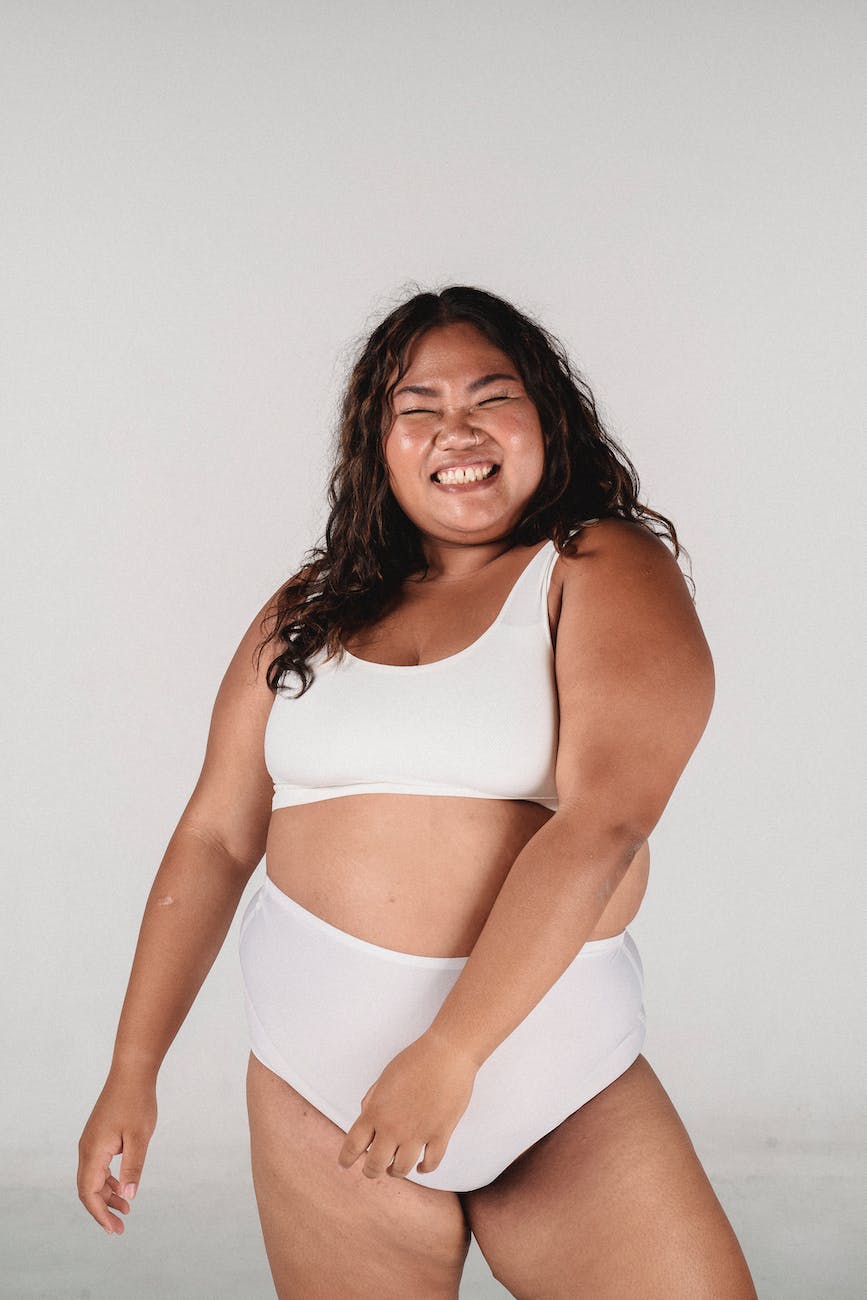

So instead of sunbathing again and again to keep the tanned look up, we should try to keep the tan as long as possible by other methods.
- Why and when does tanned skin come off?
- What to do before tanning
- What to do during tanning
- What to do after tanning
1.Why and when does tanned skin come off?
If you are tanned, that means that special skin cells in your lower skin layer have produced a pigment called melanin.
The melanin wanders to your upper skin layer, where older skin cells are located.
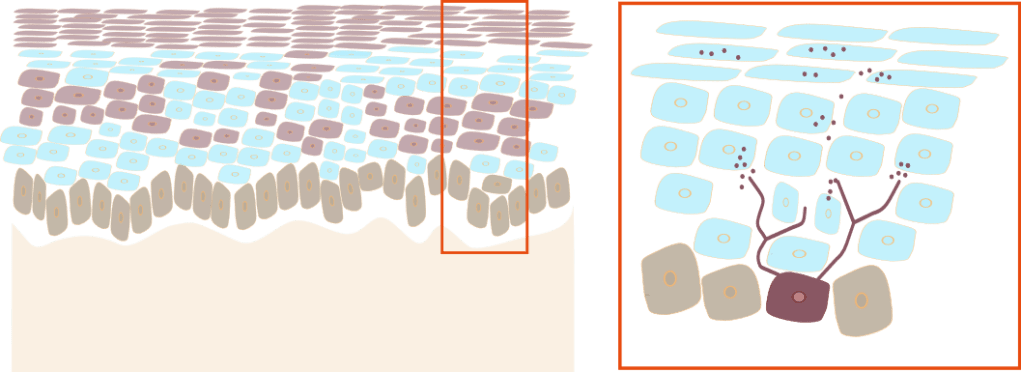
The melanin absorbs incomming UV-radiation so that cells that are below will not get harmed that easily.
This is why it is mainly the upper skin layer that looks tanned. As a result your tan goes away as soon as your upper layer skin cells die and fall off.
It takes approximately 4 weeks until the upper skin layer is totally renewed.
So lets assume you were on holiday and after that your skin is not exposed to the sun anymore. Your tan will slightly go off and be totally gone after 4 weeks.
The upper skin layer cells are reneved even faster, the more damage they suffered from the sun.
The second reason for tan getting off fast is dryness, from the inside and from the outside.
Dry skin cells have a short life span. So if you really want to keep your tan as long as possible, you need to keep your skin moisturized.
2.What to do before tanning
Remove the dead skin sells before tanning by using a body scrub, exfoliating sponge or washcloth.
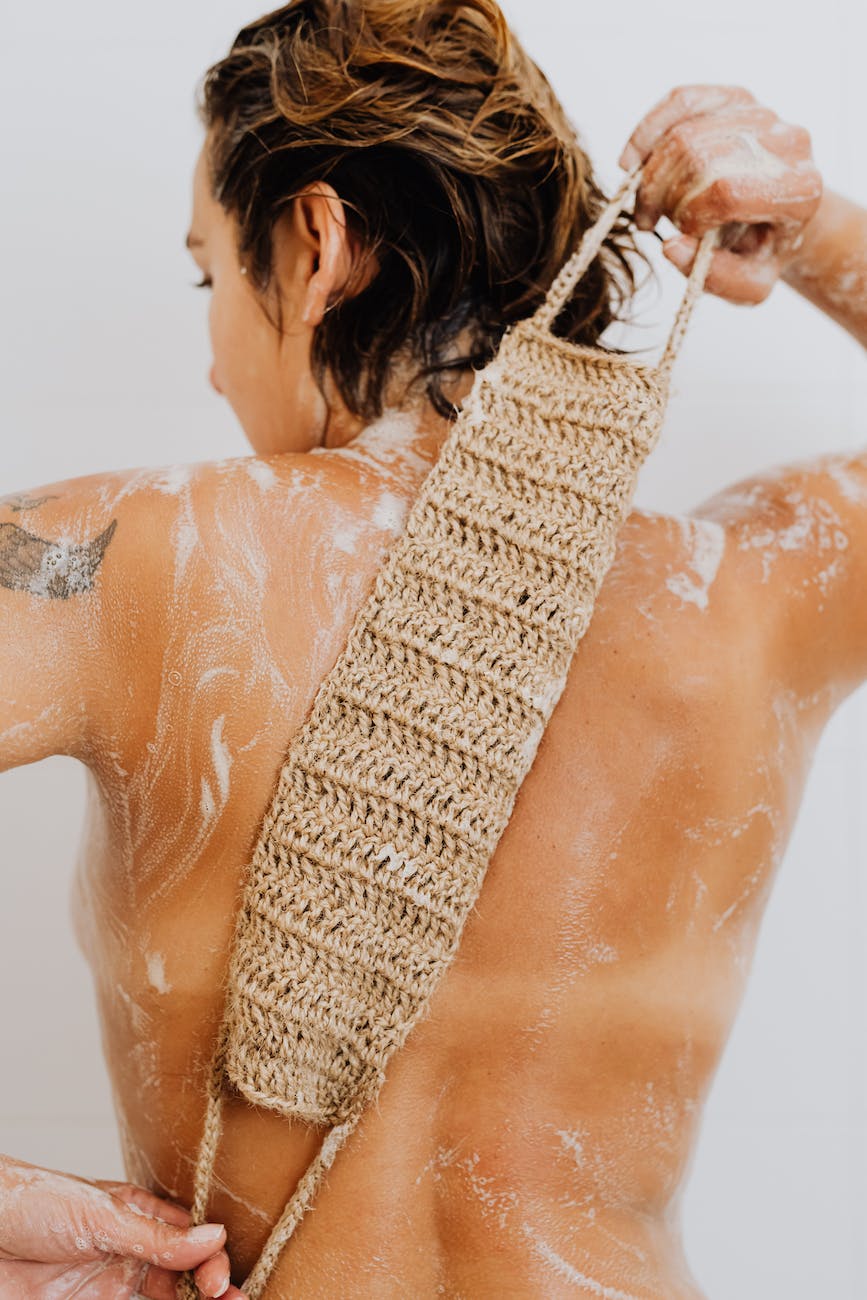

It is the upper skin layer that gets tanned. But there are many cells that have already died (horny layer) or will after a short amount of time. So if these cells absorb the melanin pigment, there is less melanin for young healthy cells. And when the old cells fall of, this means also part of your tan does.
By scrubbing off your dead skin cells, only the really healthy cells will get tanned.
A diet rich in beta-carotene also supports melanin formation. However, in order to achieve any effect at all, the beta-carotene intake must be long enough and the dosage must be high enough.
Here in this article I have gone into detail about what you need to consider when taking beta carotene.
3.What to do during tanning
Use sunscreen. That’s it.
If you think that sunscreen will prevent you from getting tanned, this is not true. It works as a shield, but not like Captain America’s.
UV-radation still reaches your skin. It will take slightly longer until you get a tan, but this also means that your skin cells will not be burned to death. Which, as mentioned above, would mean that they fall off relatively quickly and your tan will be gone soon anyway.
So if you protect your skin, it will still produce melanin, and it will be long lasting.
4.What to do after tanning
Use after-sun products for face and body.
Your skin is dried out after sunbathing. UV-radiation and high temperatures cause high transpiration rates. Also pool water with chlorine harms your skin barrier.


If you don’t moisturize your skin, your skin cells have it hard to survive. Use an after-sun lotion AS OFTEN AS possible to keep your skin moisturized.
Natural products like classic Aloe Vera also support the healing if cells are harmed. This is mainly because its anti-inflammatory incredients. It is excellent as an after sun treatment because it contains large amounts of antioxidants.
Aloe Vera is safe for most people, but some do unfortunately develop an allergic reaction. For an all natural, diy aftersun treatment use chamomilla.


- Use fresh chamomilla or dried chamomilla (tea) and pour boiling water on it.
- Let it cool down to a moderate temperature first and then put it in the fridge.
- Take a cotton cloth or a towel and soak it with your chamomilla water.
- Wrap it around the affected skin areas or place it over them. Chamomilla water not only has a cooling effect, but also helps the skin to recover and regenerate.
For a special treatment for facial areas, use products with Hyaluronic acid. There is a huge difference regarding long-term effect of hyaluronic acid products, so chose wisely.
(Here in this article I have a detailed explanation of hyaluronic acid.)
Hydrate from the inside
To keep your cells alive, you need to supply them with enough water.
This is the old story… who can relate? We all don’t drink enough. But your body needs at least 2,5-3 liters of water a day. I know it can be hard, especially during work.
In Germany people are joking about how it is so hard to keep up with drinking 3 liters water a day, whereas drinking 4 liters beer an evening seems totally legit.
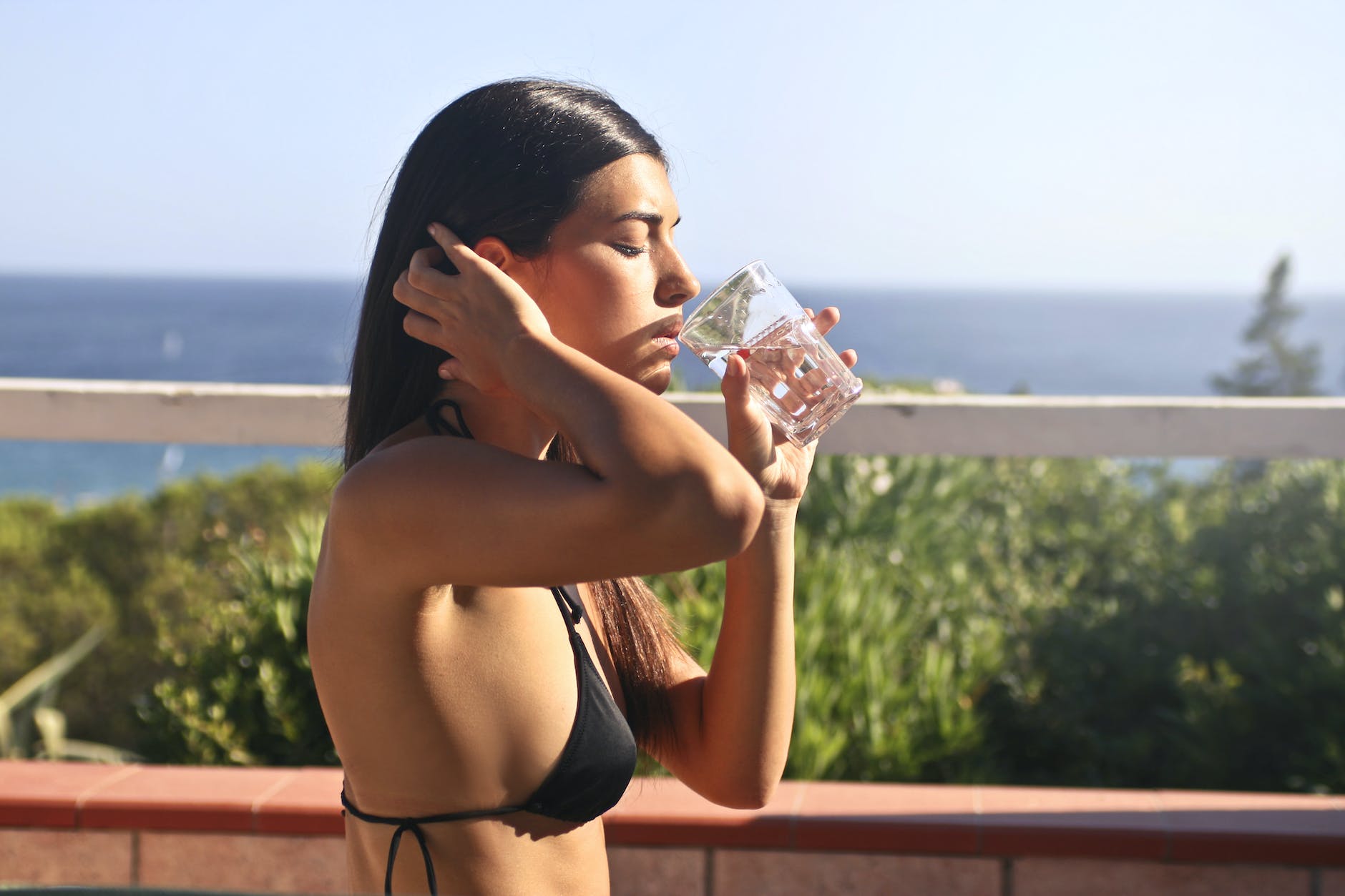
But you really need your skin cells to absorb enough water to keep their metabolism working.
Also, you will notice that your face looks more plump when your cells and the layers between are optimally supplied with water.

Avoid hot showers
Hot showers damage the most outer layer of your skin. Also important skin lipids are washed off more easy.
By disrupting the skin barrier, the cells as well as the connective tissue lose their moisture and their stability. Skin that has been washed with too hot water peels more easily when it is dried.
Thus, the melanin pigments also disappear more quickly.
Wear loose clothing
If you wear too tight clothes, especially when temperatures are high and sweating is a daily struggle, the fibers start rubbing on your skin.
This will cause irritations and will peel off skin cells.
So wear comfortable, loose clothing made of natural fibers like linen and silk. This clothing material will keep you cool in summer.
 The honest self-care
Hinterlasse einen Kommentar