
„Female private parts need special treatment and care!„
This post is for young girls and women.
In my everyday work, I notice time and again how unaware girls are of their bodies.

I suspect that one reason is that proper private part care is taken so much for granted that it is no longer even mentioned?
But if you have a daughter, talking about vaginal care is incredibly important. Often, people feel uncomfortable to talk about the issue with other people.
Unfortunately, when it comes to body care down there, you can actually do a lot wrong. And unfortunately, the consequences are quite unpleasant.
1. What is going on in female private parts
On the surface of your skin there is a mixture of dead skin cells, sebum and sweat.


This mixture of substances and the warm body temperature form perfect life conditions for microorganisms such as bacteria, fungi (mostly yeast), and viruses.
Altogether they are called the microbiome of the skin.
The presence of beneficial microorganisms (probiotics) prevents harmful organisms from colonizing the skin.
Every body part has its own composition of the microbiome. Dry areas such as elbows provide very different living conditions than warm and humid areas like armpits or intimate parts.
The female intimate area mainly contains different types of lactic acid bacteria. This group of bacteria lives and multiplies without oxygen.
It produces lactic acid, which is released into the environment as a waste product. This is why the vagina is acidic.

The acidic environment of the intimate area in combination with high numbers of lactic acid bacteria is an important „protective shield“ for women’s bodies.
It protects the entrance to the body from harmful microorganisms that would otherwise multiply, enter the body, and cause diseases.
If you ever had to deal with a yeast infection (which is quite common), this means that the microbiome of your intimate area had changed and the fungus spread.
To ensure that the vaginal microbiome does not become unbalanced, a good working self-moisturizing process is crucial.

In a healthy state, the vagina regularly releases a milky-white secretion.
This provides the moisture essential for the survival of lactic acid bacteria and cleanses the vagina during the flowing process.
The accumulation of fluids and cells in the intimate area (discharge, sweat, urine) and the warm-humid conditions cause a characteristic odor.
After about 1 -2 days, the smell usually starts getting worse, which is a sign that there are needs to be cleaned.
Otherwise, the vaginal flora changes and harmful microorganisms spread and lead to infections.
2.How to clean women’s private parts.
In summer and after sports you should wash more often, also for your own well-being.
In fact, cleansing with warm water is enough.
Shower gel and soaps are too aggressive, they remove the skins acidic property and moisture.
If the skin area is too dry, the microbiome cannot survive. Cracked skin caused by dryness offers pathogens the opportunity to penetrate and cause infections.

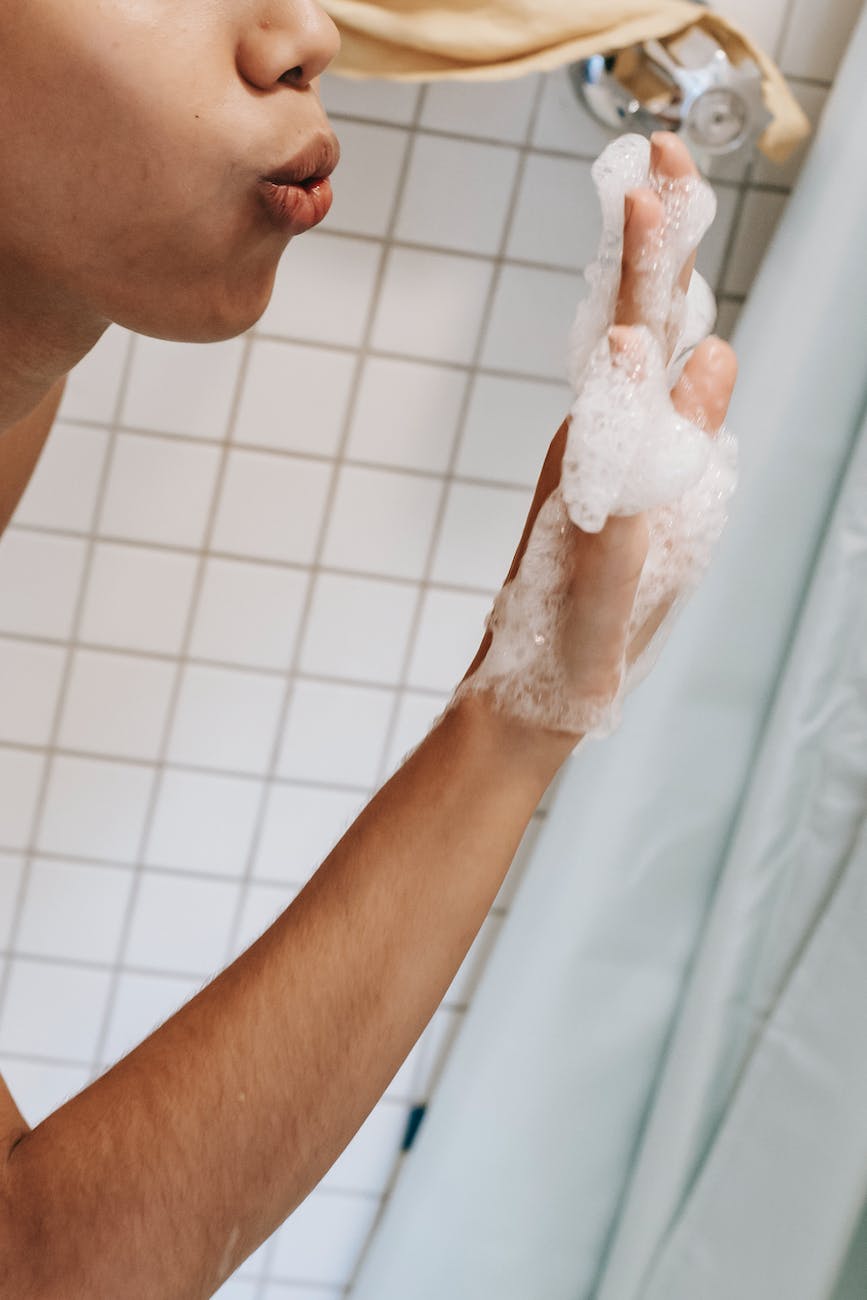
Always wash the vagina from front to back.
Otherwise dirt and pathogens from the back can get there. This can lead to very unpleasant itching and even inflammation.
If you want to smell extra good down below, there are special wash lotions.
These lotions have the same acidic level as the vagina.
For quick cleansing in between, intimate care wipes are a good choice. They are adapted to the acidity of the area. Depending on the product, some contain additional lactic acid or fragrances.
3.Should I use yogurt on my private parts?
There is a myth/advice that if your vaginal microbiome is in imbalence, you should soak a tampon in yogurt and insert it over night.
This way the probiotics in the yogurt stop the itching or even heal a yeast infection.
Is this a good idea? Well, there is no simple answer to this.
It is true that (as explained above), lactic acid bacteria living in the vagina are very important for keeping it healthy.
And also it is lactic acid bacteria that make yogurt from milk.
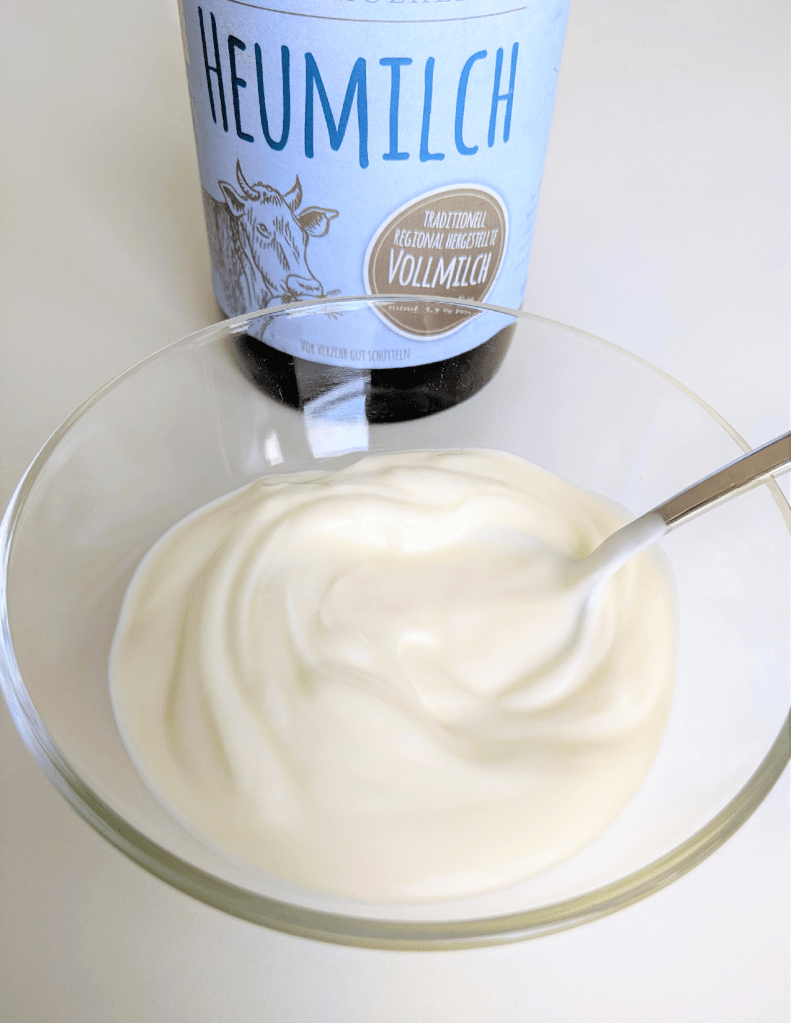
But it it not necessarily the same kind of lactic acid bacteria in your vagina as it is in yogurt. It may be, if you are lucky.
So the tampon advice from above may help, but you need to try it out.
This is in fact a good plan when the symptoms have just appeared. You also save a lot of money.
However, if the symptoms are very severe and you are sure that you have a yeast infection, you should definitely skip trying out the yogurt method and use proper antifungal medication.
Antifungal creams are evidence-based and effective. So you know exactly what you get, whereas the yogurt might cause that the symptoms are getting even worse.
4. Best underwear material for a healthy vagina
The best underwear material is made from natural fibers. You need fibers that are breathable and absorb sweat.


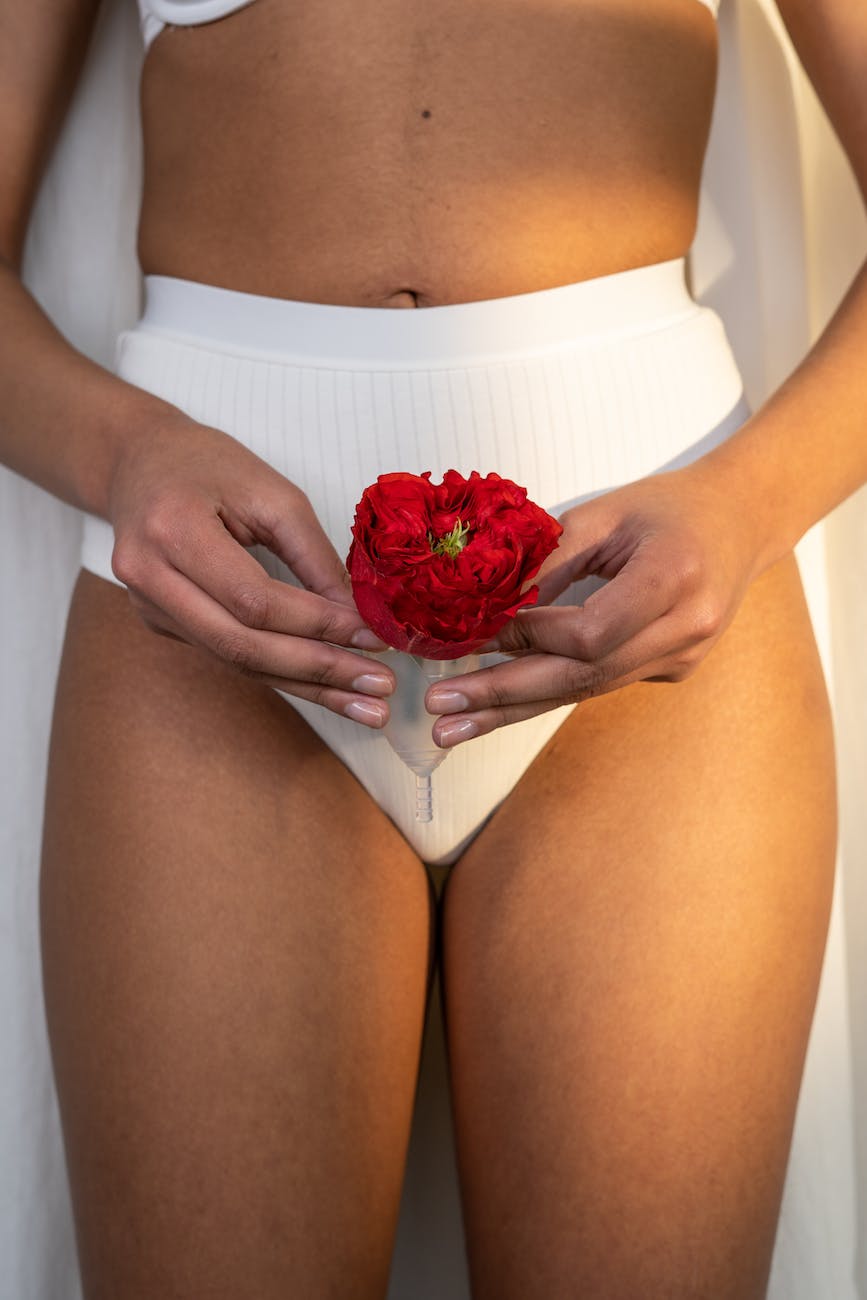
If your underwear material is not breathable, this leads to a high accumulation of moisture in the intimate area.
It also leads to an uncomfortable heat dust.
These unnatural conditions are also harmful to the vaginal microbiome.Pathogens, in turn, have good growth conditions as a result.
You should choose underwear which is made from cotton or silk. Here I have an whole artikle about the benefits of natural fibers.
Cotton, unlike synthetic material, can be washed at high temperatures. This is important to clean it from dirt and bacteria.
Make sure not to wear underwear at night, but only loose clothing instead. This ensures healthy ventilation. Of course, you can choose not to wear anything an all.
 The honest self-care
Hinterlasse einen Kommentar