
I have decided to write this article because in my early 30s I have realised something that was actually totally logical. And I’m almost a little embarrassed that I didn’t question it earlier as a biology teacher. It’s about the fact that we are eating the wrong food.
And I’m not just talking about fast food like burgers or pizza – I assume that everyone knows that these are not good for us. No, I’m also talking about home-cooked, home-made meals.
That was also the point that shocked me so much. That even the food of my childhood, which I had taken for granted, didn’t actually make any sense.



I’m talking about bread (in Germany we have a very ingrained bread culture), potato dishes (I love potatoes) and rice dishes. All containing a lot of carbs.
A food culture that probably really took off in the 18th century with the invention of the steam engine and thus the industrialisation of the agricultural economy.
What are carbohydrates and where there are found.
Carbohydrates or carbs are substances that consist primarily of the element carbon. For us humans, only a few carbohydrates are of interest.
If a carbohydrate tastes sweet, it is also called sugar. So all sugars are carbohydrates, but not all carbs are sugars. But all carbs are made of sugar.
I know this can be confusing. So here’s a simple example.
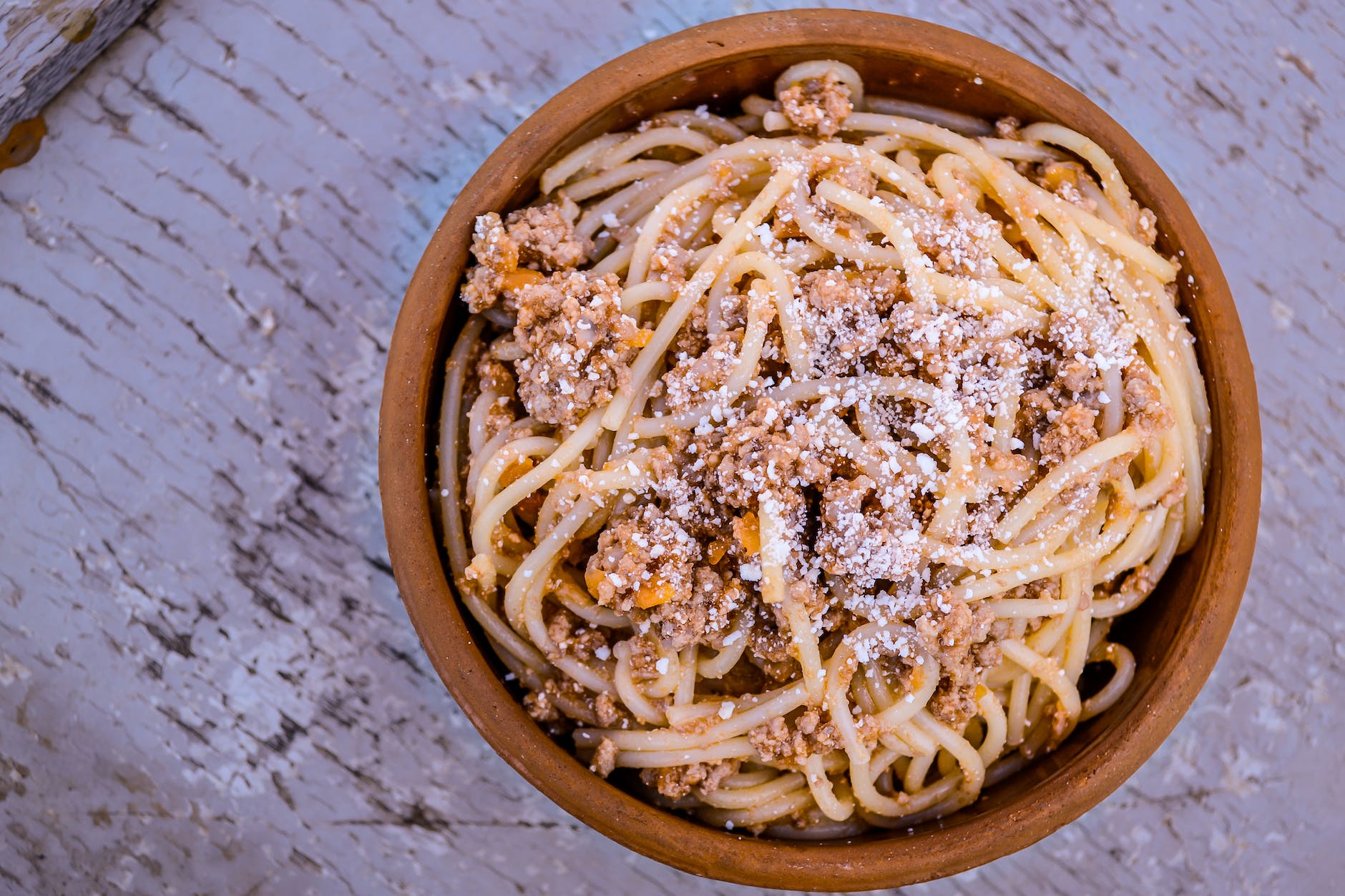

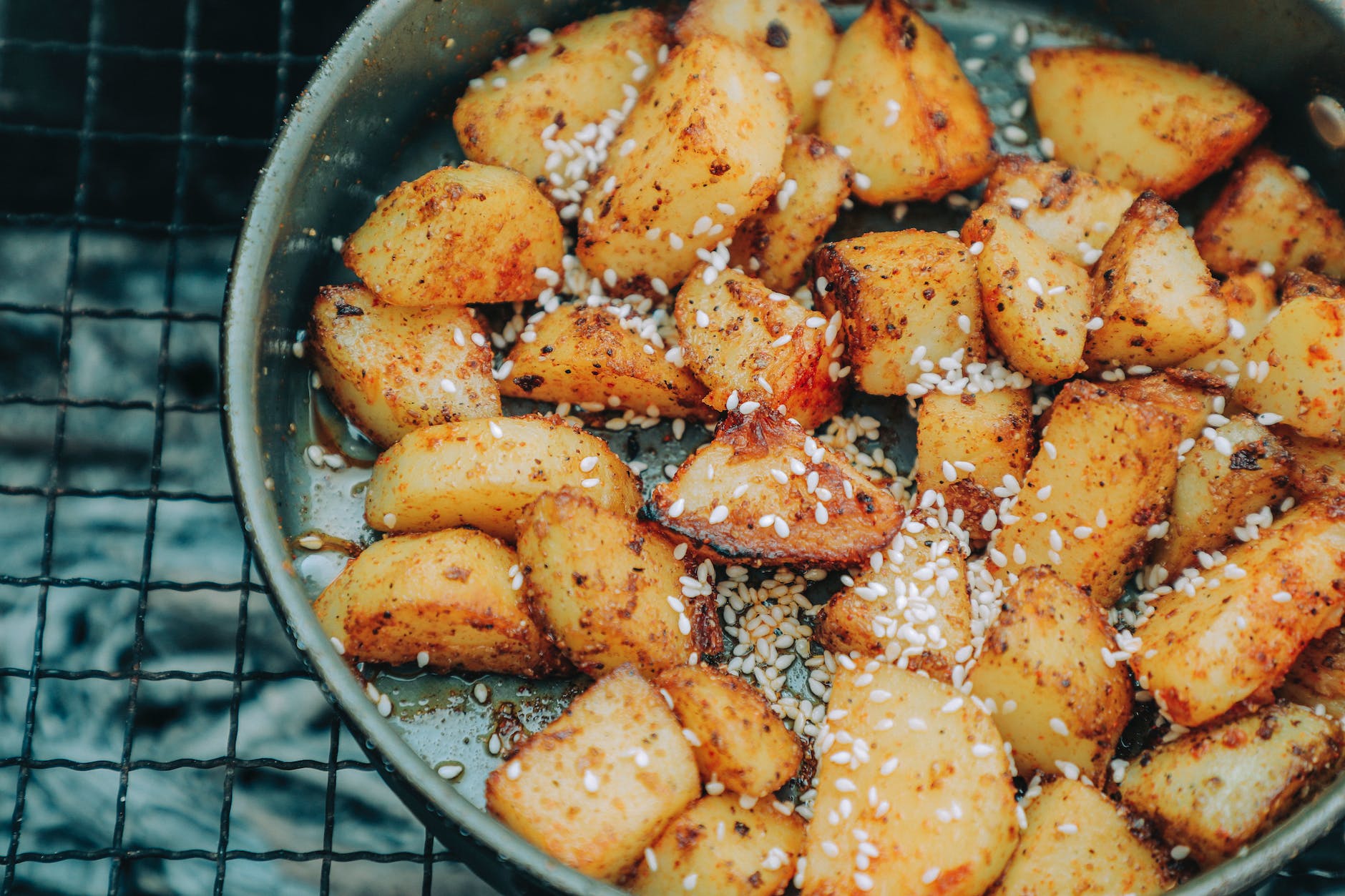

Grain and potatoes contain a lot of starch. When you talk about carbs in food, you mainly mean starch. As you know, neither potatoes nor flour taste particularly sweet.
But when you eat a slice of bread, the starch is broken down into smaller pieces during digestion in your body.
More precisely, it is broken down in a lot of glucose molecules, because starch consists of glucose.
As you can see in the figure below, white sugar is made of the same material.

Now image a slice of bread. Processed white bread consists of up to 90 % starch. And during digestion, this starch is broken down into glucose, or in other words sugar. So much sugar.

The same goes for other carbohydrates that we can digest. They consist only or mainly of glucose.
Lactose, for example, is a carbohydrate found in milk. Half of this carb consists of the sugar glucose and half of galactose.
lactose = glucose + galactose
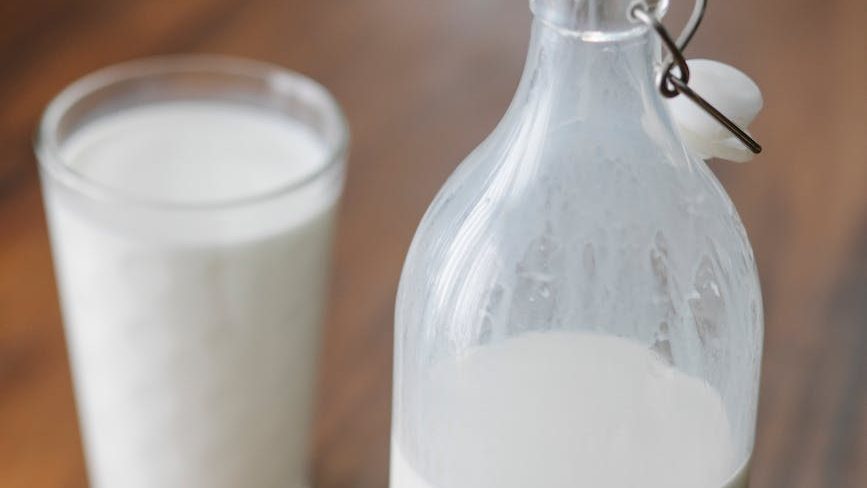
No matter what kind of carb we eat, your body only wants glucose. So every digestible carbohydrate is sooner or later converted into glucose.
The history of carbohydrates
We live in an age in which we have unlimited access to carbs.
However, this phenomenon developed in the last few centuries. And in the meantime, it was repeatedly interrupted by economic crises and wars.
In fact, people had a very different diet for a very long time.
For around 300,000 years humans (Homo sapiens) lived mainly on a diet of low-carbohydrate plants, meat and other animal products.
This meant that the diet was based on the protein and fat it contained. And the people have obviously survived. One of my favourite arguments against carbohydrates.

With the construction of settlements and the associated agricultural economy, people began to eat more carbs, because they could.
Wheat was grown in the Orient, rice in East Asia, corn in Central America and potatoes in the Andes.
Over time, people have bred cultivated plants from the original wild plant species that contained much more carbohydrates than the original.
Now people had much more carbs at their disposal than nature had actually planned. Incidentally, more carbs comes with more gluten.


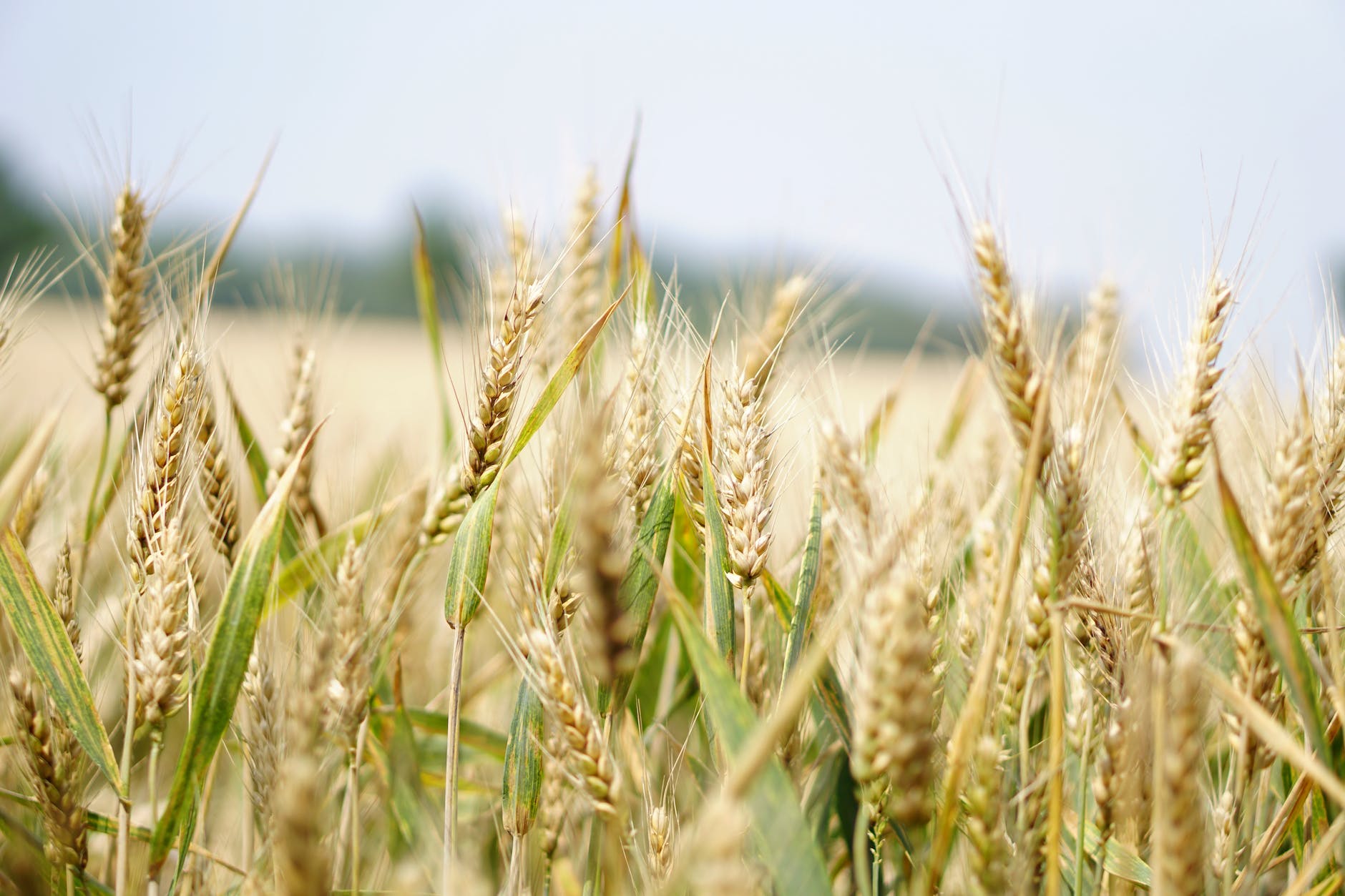

The next big step was industrialisation around three hundred years ago.
No longer was harvesting done by hand, but large machines took over the work. This meant that much larger quantities of carbs could be produced.

The dishes we know as traditional home cooking have only existed since this time. And ind 21st century, we can eat some of it every day if we want to. We can have a sandwich every day. People in acient times had a slice of bread maybe once a week. If even.
So for 300,000 years, humans have followed a specific diet and their metabolism was precisely adapted to it.
Now we are showering our body with substances that it is not used to. And we are surprised that we are getting sick and fat.
Why we don’t necessarily need carbohydrates as a source of energy
We need to eat for two reasons.
First, we need substances that serve as building materials to form our cells. These are proteins.
Second, we need substances from which our body can provide energy. These are fats and carbs. And this is where things get interesting.

!The only substance that our body can use directly to generate energy is glucose. It is needed for a process called cellular respiration!
Glucose -> Energy
The body now has different options to get glucose.
- The easiest way, you eat carbs. Because all digestible carbs consist of glucose. So the body just needs to break down the long carb chains.
- The second option is that your body converts fat into glucose. But it only does that when there are no, and I mean NO, carbs in the body.
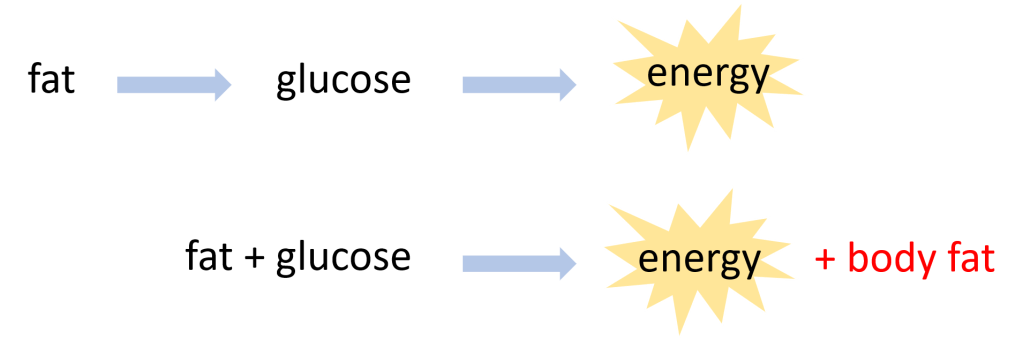
Otherwise, it does not use the fat to generate energy but simply stores it as bod fat. Any excess glucose is also stored as body fat. Theoretically, the body prepares for times without carbs, but with our current diet this is never actually the case.
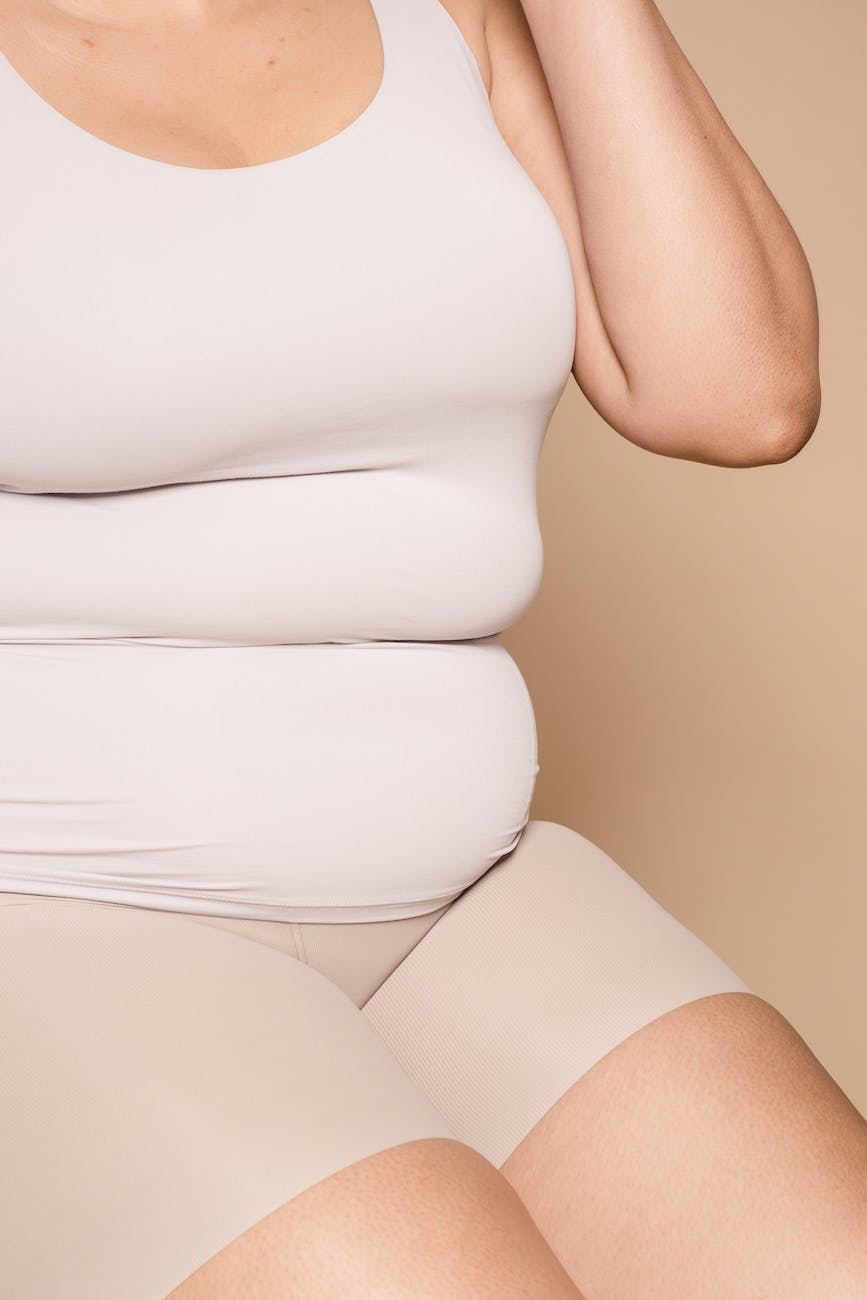

If you no longer eat carbs but eat fat, then your body still has enough energy. So why eat carbohydrates at all?
The nutritional model I’m talking about here corresponds to the so-called ketogenic diet. Since you no longer build up body fat but your body metabolizes fat, this diet makes it super easy to lose weight.
Of course that sounds very drastic. But don’t worry, it is not even possible to eat zero carbs. Even high-fiber vegetables contain a small amount of it.
Your lifestyle also determines how your body deals with carbs.
Let’s take the soccer player, who needs a lot of energy in a short period of time. This wouldn’t be possible without carbohydrates. But the normal people among us don’t need them. And until a few hundred years ago, no one ate that many carbohydrates. The amount of carbs that we consume in a portion of spaghetti today is what we used to get in a week.
Why carbohydrates are just as addictive as drugs
Every addiction, whether shopping, alcohol, drugs or the addiction to carbs, they all take place in the brain.
When you come into contact with these substances, your brain releases messenger substances called hormones.
These hormones make you feel happy. The more you shop or drink, the more hormones are released, the happier you feel. And your brain wants to feel happy.
It wants more and more of these happiness hormones. Your brain learns that if you give in to your addiction, you will be happy for a brief moment.
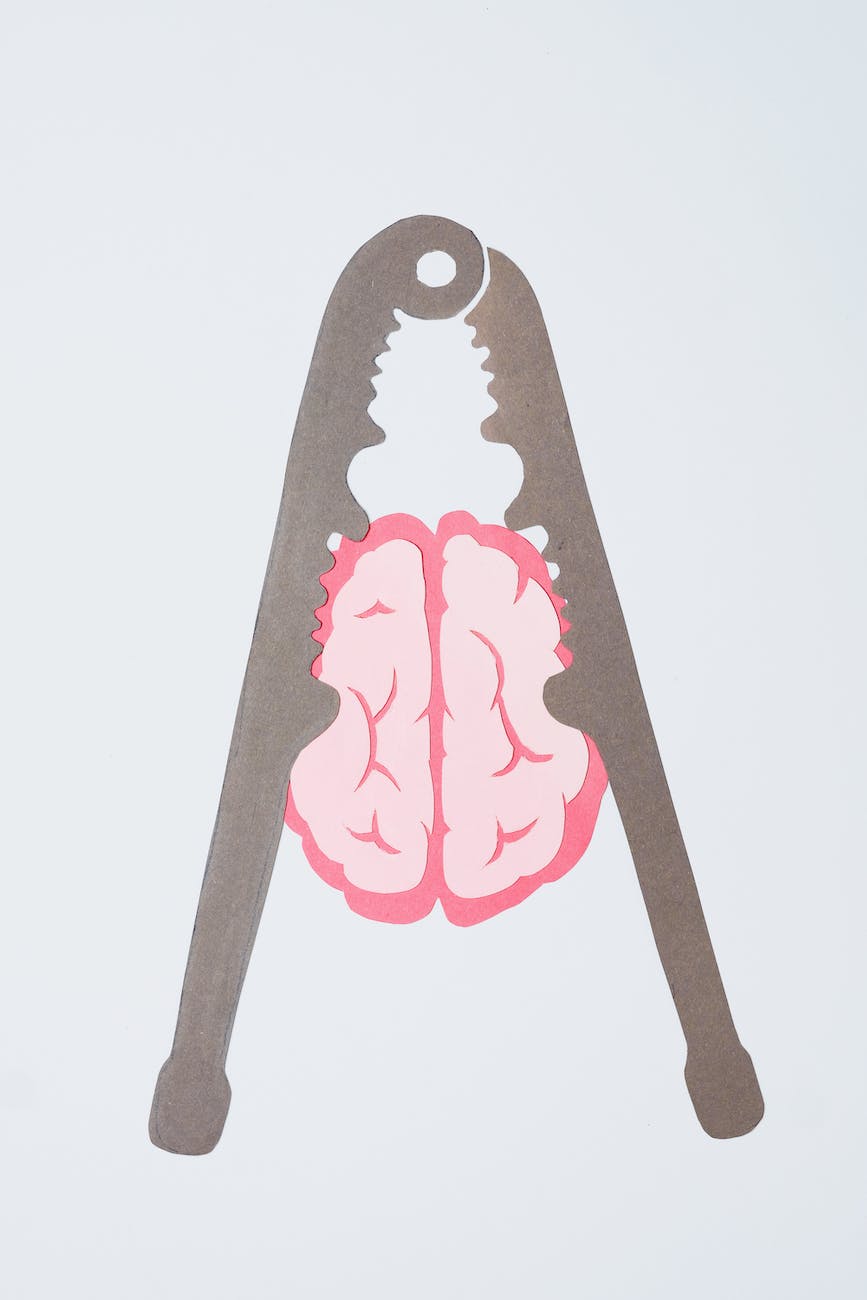
What happens is an addiction.
If you don’t believe me, just think of Christmas. We start eating a lot and can’t stop. You eat dinner and after two hours you’re craving cookies again. But you’re not hungry. It’s your brain that demands more happiness hormones.
And yes, these are the exact same hormones that are released during drug addiction.
How to stop eating carbohydrates
First of all, you have to understand that if you have been eating carbs, you are in a phase of addiction.
Therefore, like any other addiction, you need to start a cold turkey.
That sounds harsh, but have you ever heard of an alcoholic who fights his addiction by only drinking occasionally? No, that doesn’t work. It’s much easier to be very strict right away.
Every beginning is difficult.
I experienced it myself when I stopped eating carbs. On the one hand, we are not used to eating ingredients but rather dishes.
I love fish sticks with mashed potatoes. I love pizza and pasta. But these dishes are not allowed. Now I no longer cook according to the dish but rather according to the ingredients.
On the other hand, your body is crying out for carbohydrates. It’s hard for me to explain it in words because I’ve never experienced anything like this before. So far I have always satisfied my addiction to carbohydrates.
But after two days my body felt strange. I was restless. Tired and sleepless at the same time. Full but hungry at the same time. My body was craving carbs. I stood in front of the open fridge and had to pull myself together so as not to relapse. I wanted pizza, I wanted pasta, I wanted carbs.
I think I know how vampires feel now.
On the sixth day it was all over. My desire was gone. You could have given me a bowl of spaghetti and I wouldn’t have cared. My energy level was back and better than ever before.
And as long as I completely avoid carbs, I don’t need them. I eat fish without mashed potatoes and I’m satisfied. I could never have imagined this before.
 The honest self-care
Hinterlasse einen Kommentar