What is vegan leather?
The term vegan leather says that it is a material without animal origins but with properties that are similar to real leather.
In short, it looks like leather, feels like leather, but is not leather. That sounds great at first, but unfortunately it’t not this easy.
In fact, vegan leather is first and foremost a marketing gag of today’s zeitgeist, as vegan leather has been around for a very long time, but under a different name. It used to be called synthetic leather. Why the change? Syntnthetic simply doesn’t sound as great and sustainable as vegan leather does.
vegan leather or synthetic leather does not mean that it is a sustainable product. In most cases, it’s just very normal plastic. So now ask yourself this question – how sustainable is petroleum-based plastic? You see, it is not.
So when it comes to vegan leather, you have to look very closely at what material it actually is.
Let’s have a look at some materials that are or may be labeled as „vegan leather„.
Vegan leather types
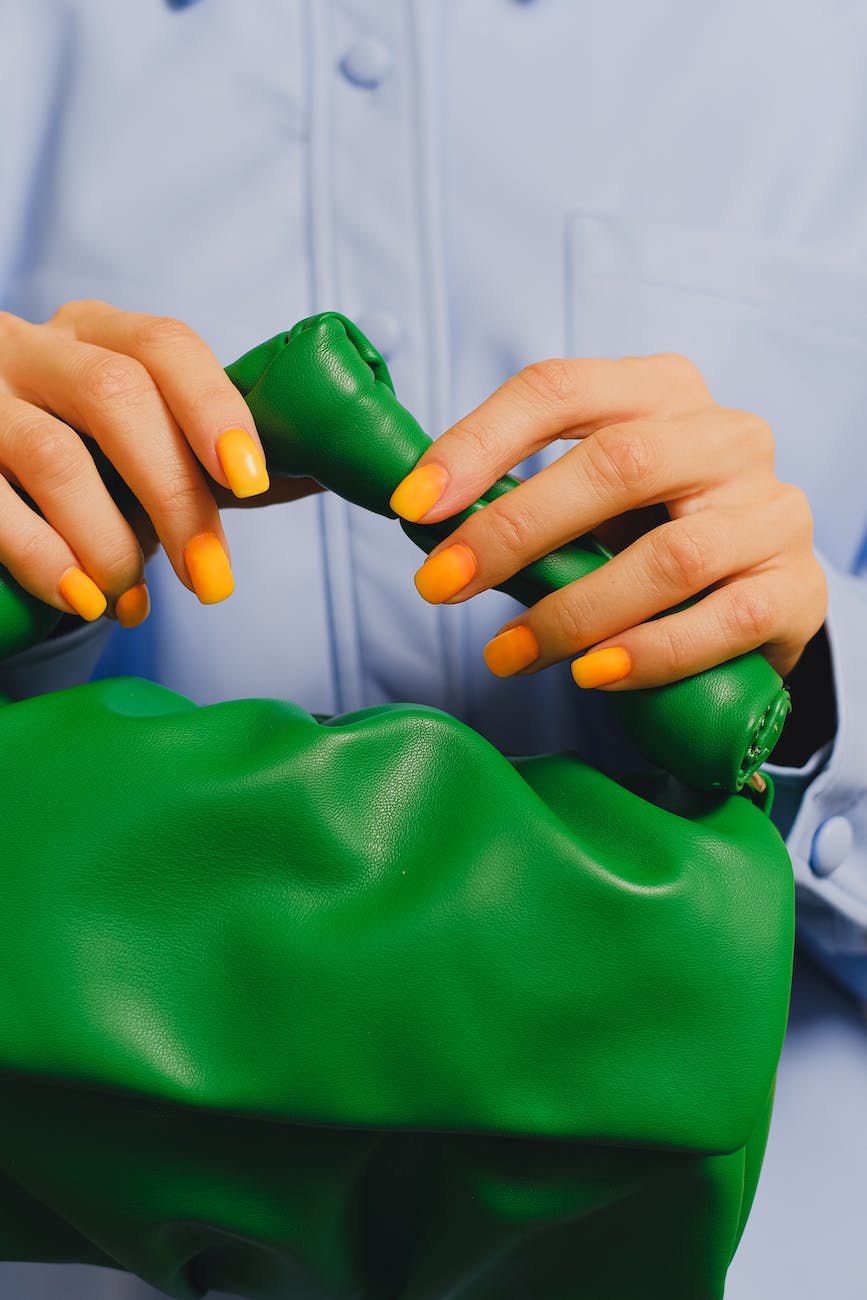
a) Polyurethane (PU)
I dare say that the vast majority of products which are offered in stores and marked as „vegan leather“ are made of polyurethane.
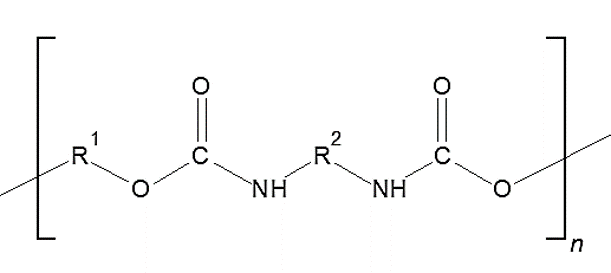
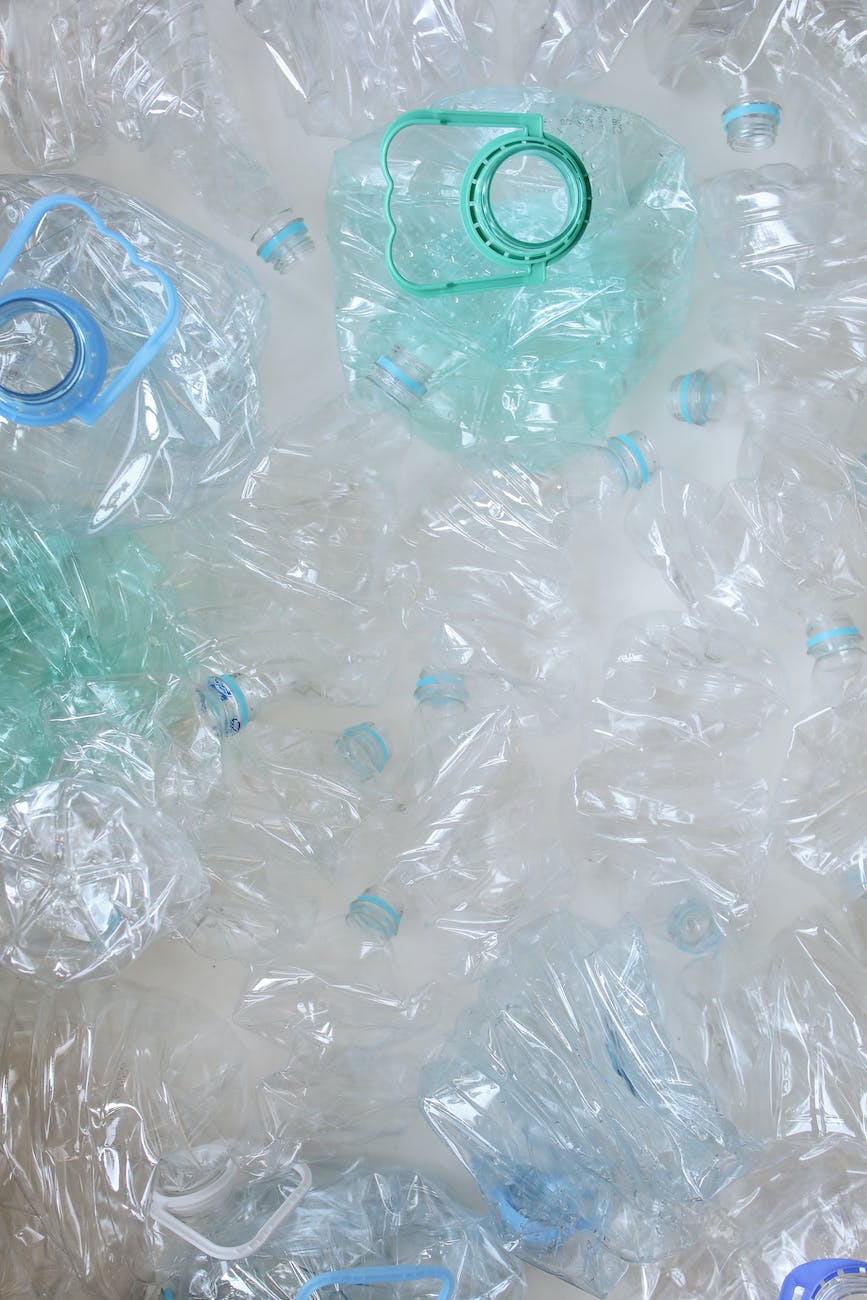
Polyurethane is a petroleum-based plastic and will therefore be assigned to the same group as polyester ( e.g. mainly used in sportswear), polyethylene (e.g. used for plastic bottles) or polyvinyl chloride (used for flooring).
Here is a list of reasons why you should not buy polyurethane
- Made from petroleum
- Many toxic substances are used during production and are also released back into the environment
- It is not biodegradable -> even if it breaks down into small particles after 200 years, it simply becomes microplastic. No organism can utilize this material.
- Clothes and bags coated with PU last a few years at most, because heat and cold cause the plastic to become crumbly (In comparison, real leather can last a lifetime and still look good)

b) MIRUM
Mirum vegan leather is based on plants and minerals without any petroleum-based plastics. Natural pigments are used as colorants.
However, the material is not biodegradable, i.e. it is not decomposed by microorganisms and converted into new biomass.
The manufacturer classifies the material as bioneutral.For me, there is no actual statement behind this. Bioneutral is not a defined term, nor is it used in the general language of materials science.
c) Pineapple leather
Pineapple leather is made from fibers of pineapple leaves by Piñatex®. As leaves are made up of cellulose, a polysaccaride, the material would not be durable on its own.
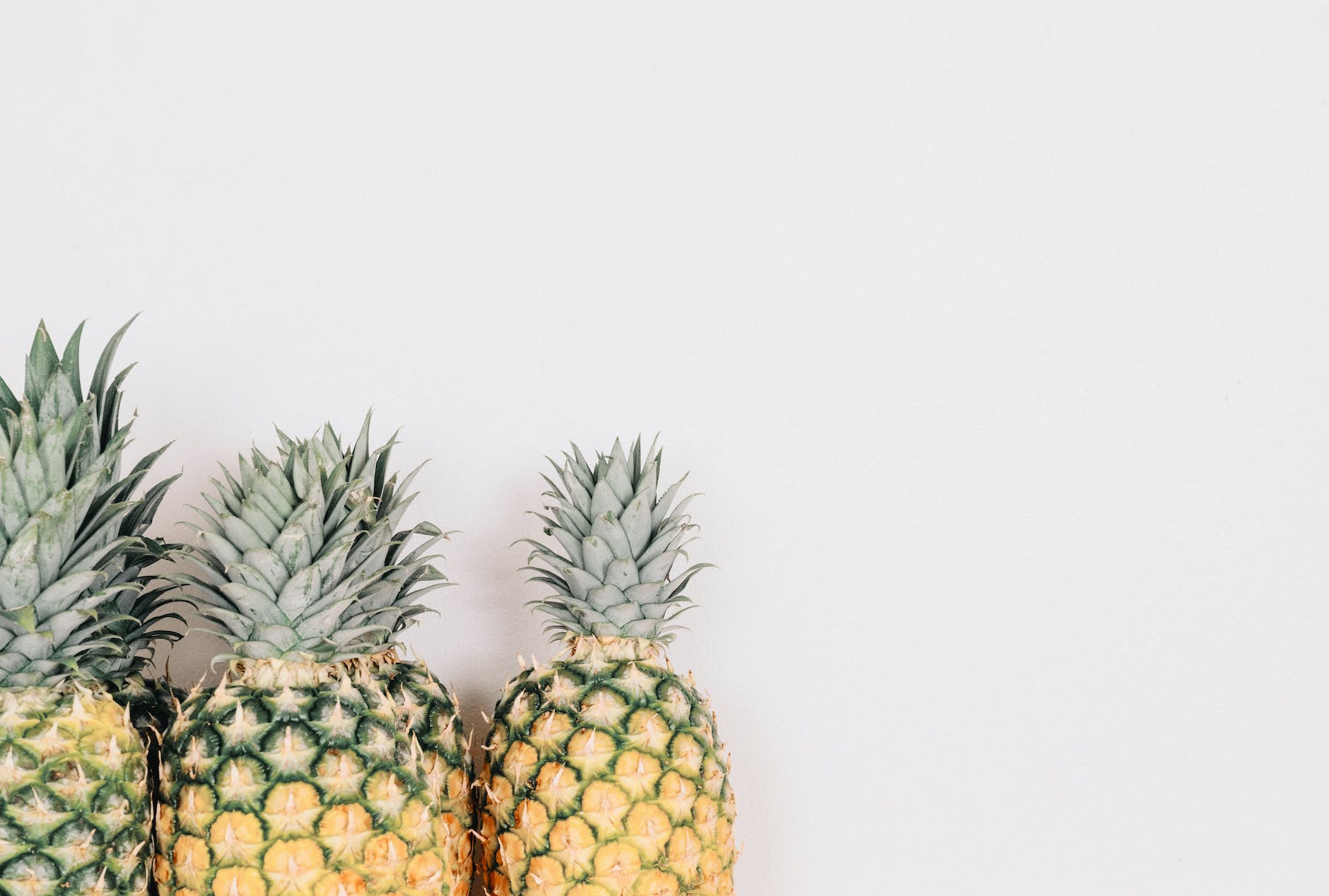
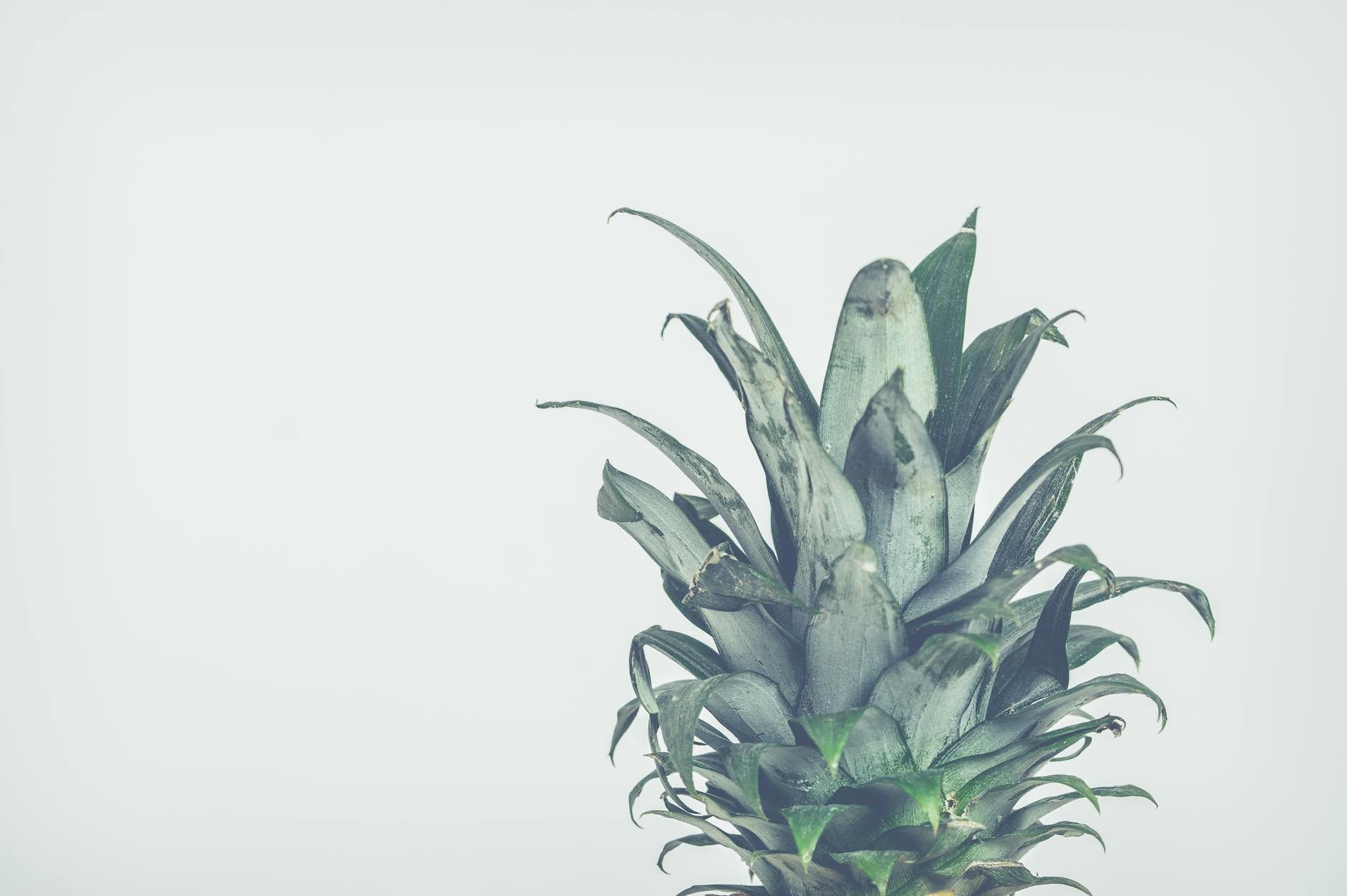
That’s why pineapple leaves are coated with polylactic acid (PLA) after processing. There is a ratio of (80 % pineapple leaf fibers and 20 % PLA).
Pineapple fibers + polylactic acid
Although PLA is also a plastic, it is not petroleum-based.
It would also be possible to break down polylactic acid in industrial plants. It is because high temperatures are required for PLA to decompose. This means that PLA can be described as biodegradable.
Unfortunately, this process is not economically viable, which is why this plastic is also incinerated after disposal.
You can see the advantages of pineapple leather here:
- The pineapple fibers are waste material from the pineapple harvest, they do not have to be grown separately
- As a result, no additional water or energy resources are required for the raw material
- All plant residues from production can be reused as fertilizer
- Pineapple leather is biodegradable in industrial plants
d) Wine leather, cactus leather, apple leather
All these types of vegan leather are produced using a similar method to pineapple leather.
Plant fiber + stabilizing synthetic material
Fibrous plant parts or pulverized plant material are processed and stabilized with synthetic material.
Why leather at all?
There is a reason why so many people love real leather (genuine leather). It is a great material which not only looks great but also has many practical advantages:
- Soft
- Washable
- Looks good and smells good
- Robust
- Lasts a lifetime and even if it looks a little worn, it doesn’t detract from the look
- Biodegradable
Genuine leather is defined as animal skin which has been chemically preserved.
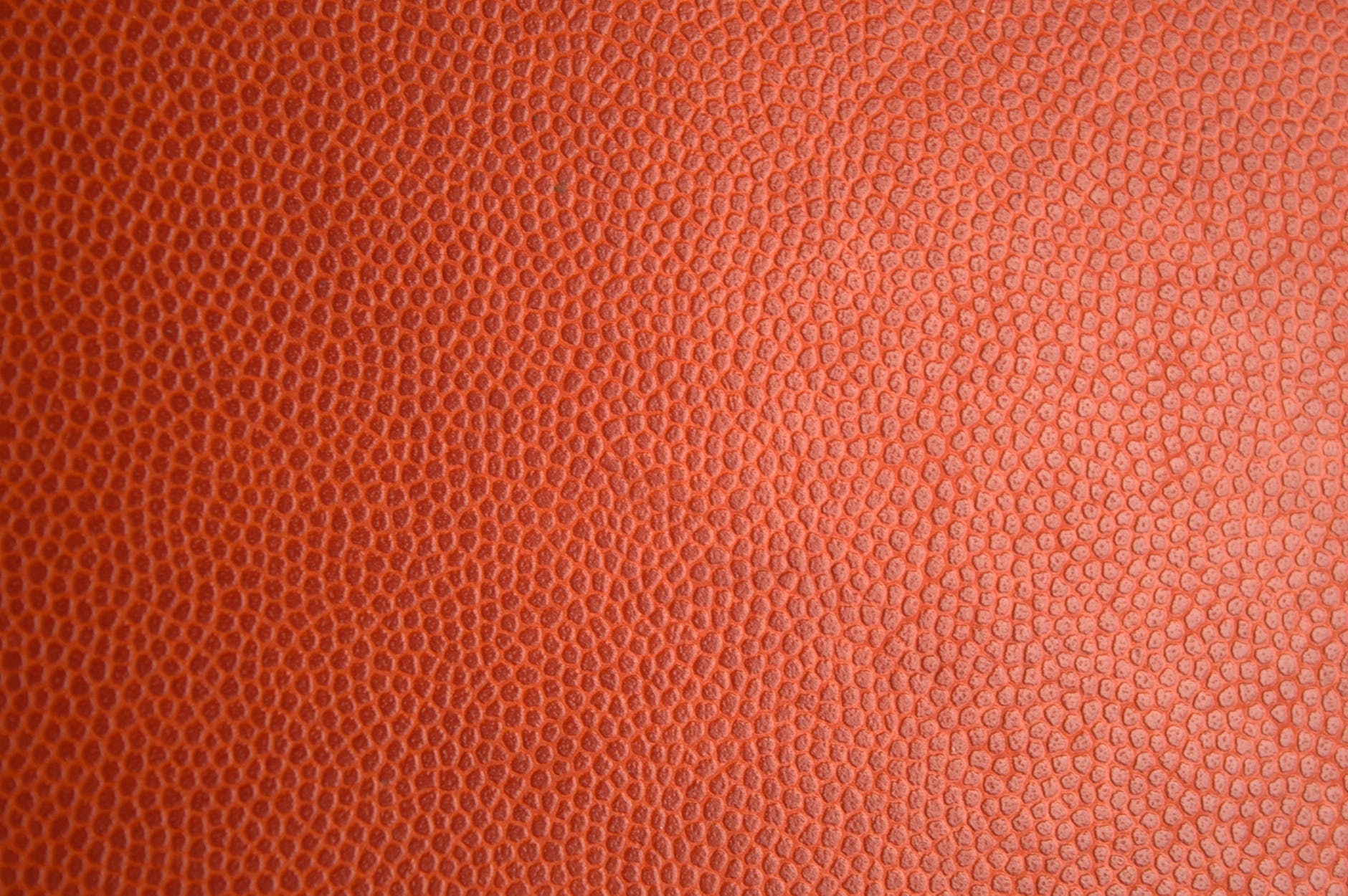
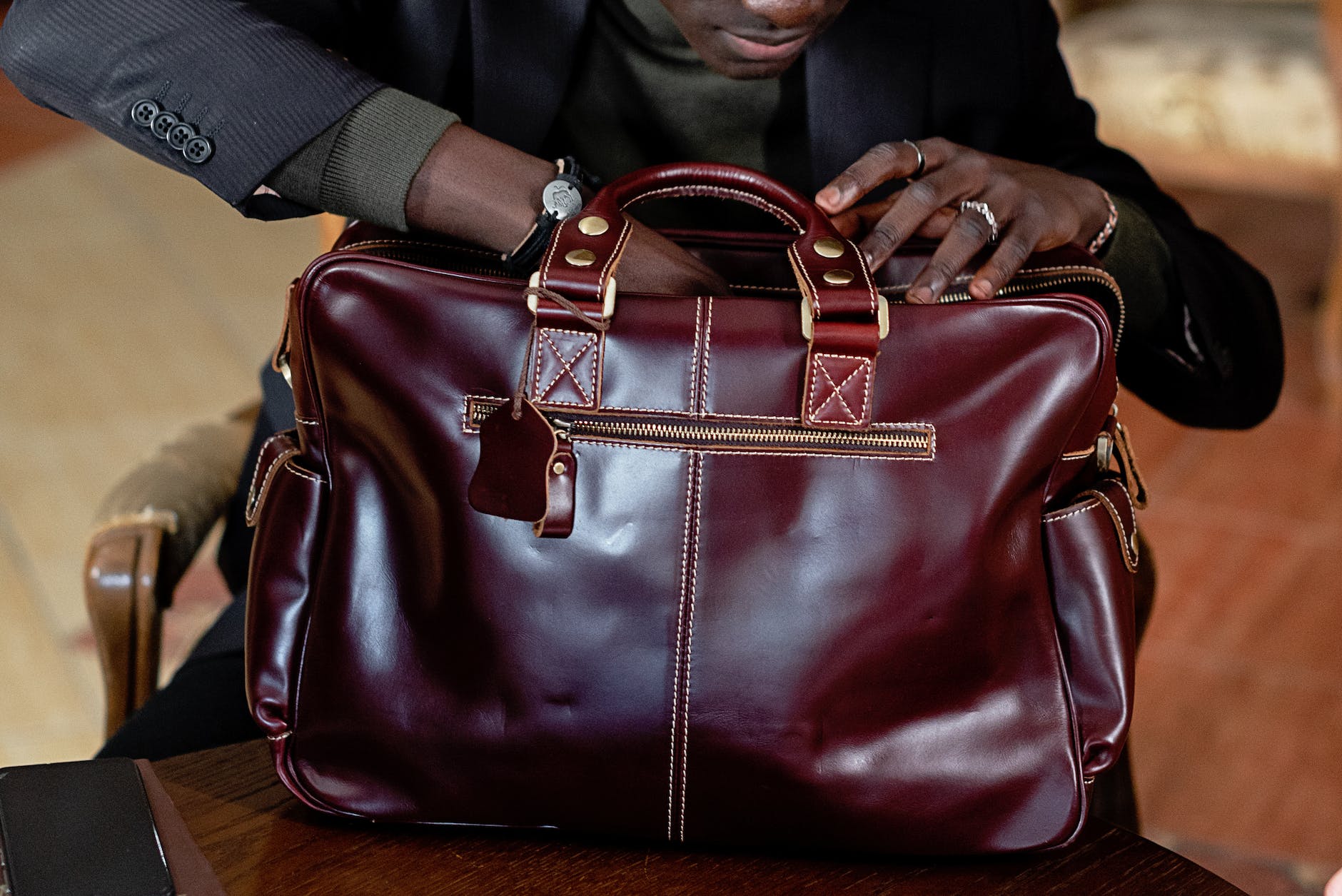
The skin usually comes from hoofed animals such as cattle, goats, sheep and pigs. In Asia, the skin of dogs and cats is also processed into leather.
The substances used for this, known as tanning agents, can be obtained from plants or animals or are produced artificially in the laboratory.
Should I feel ashamed for buying leather?
Not at all- at least if you know where the leather comes from.
Wild animals:
Wild animals are hunted to protect the forest and regulate the populations. We are not going to change that. And if at least then all parts of an animal are utilized, I don’t see it as critical.
Leather from Europe:
We will not change the fact that there are many people who like to eat meat. As a result, a lot of skin remains after slaughter.
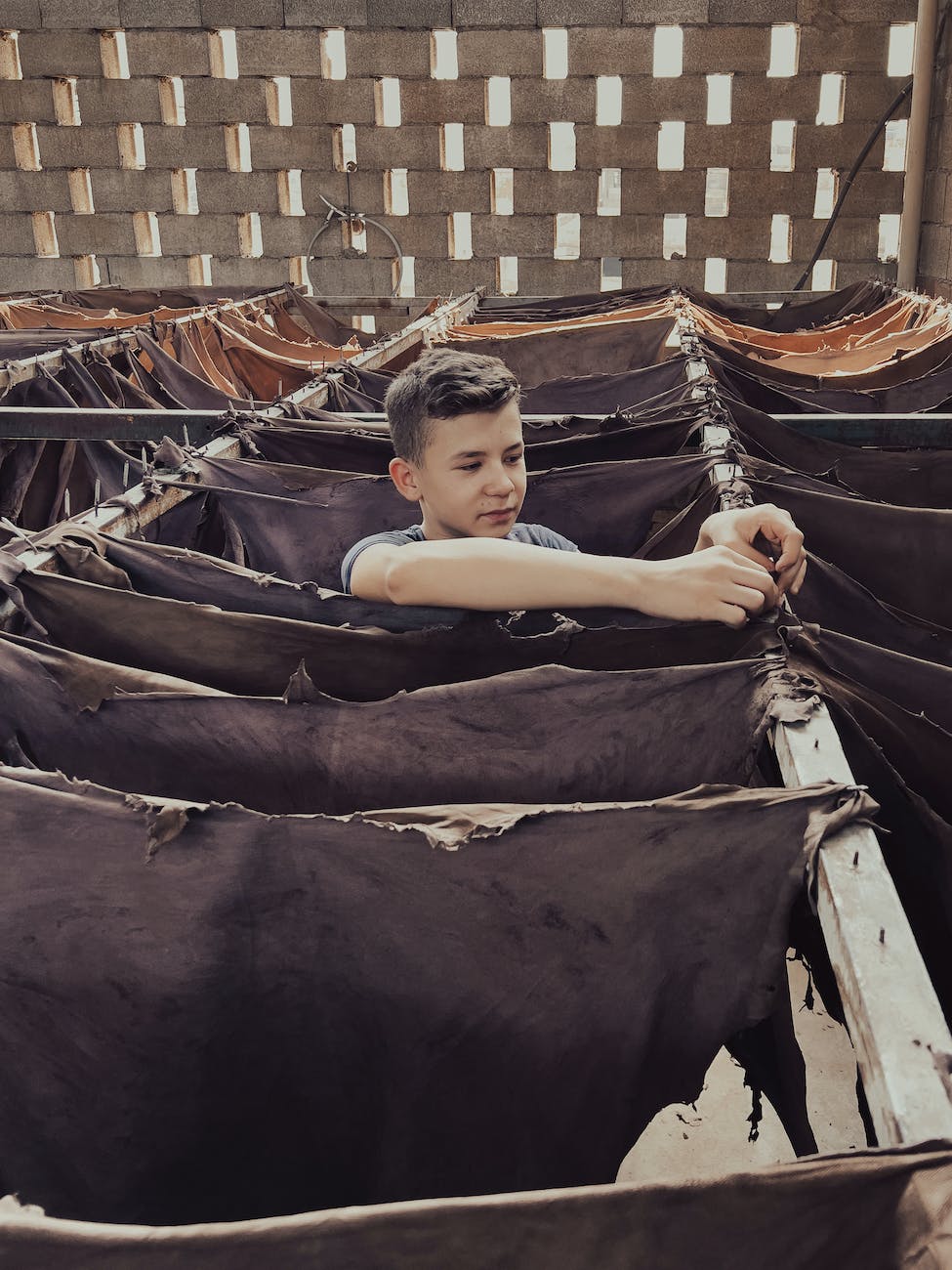
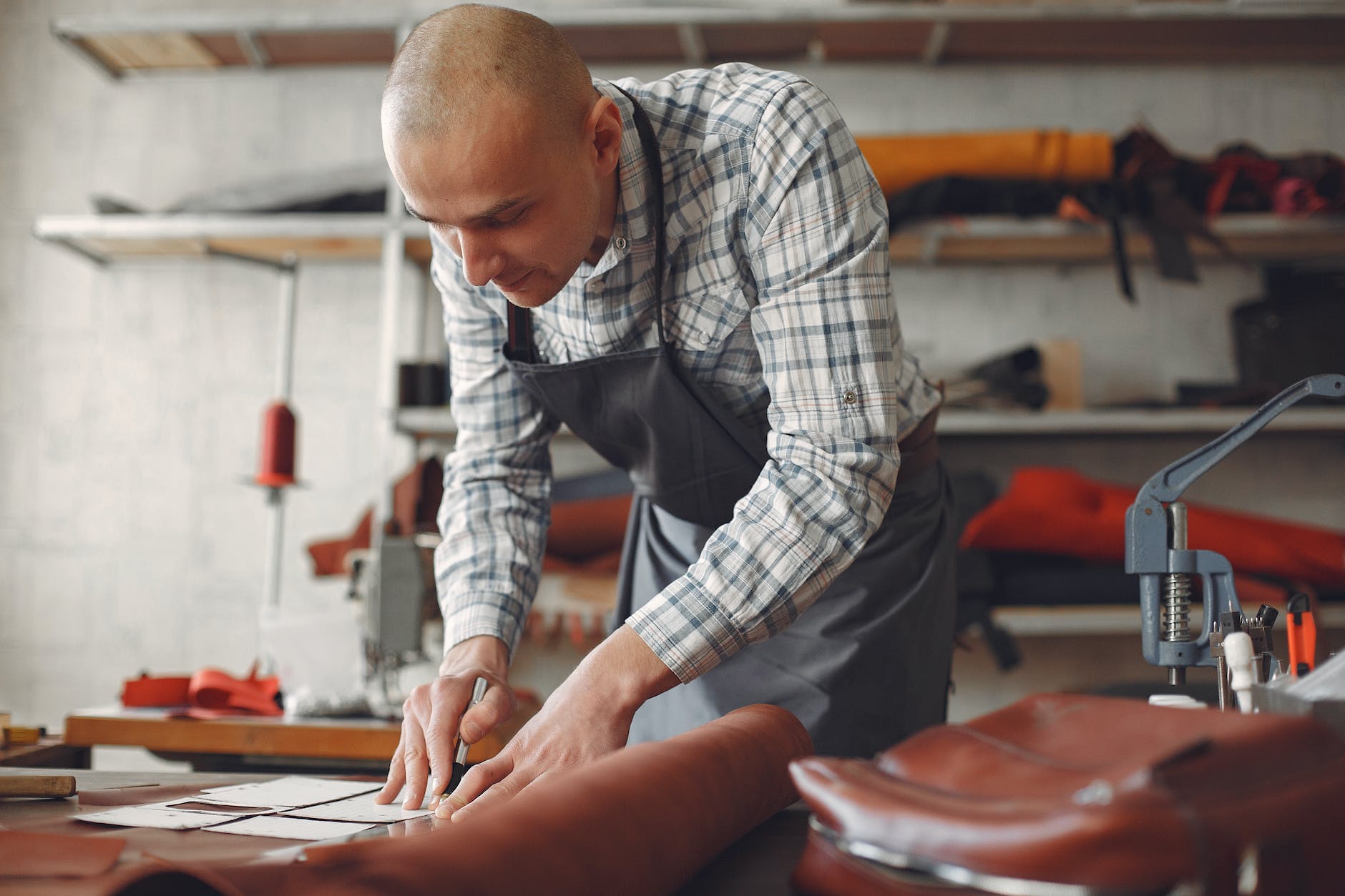
If the cattle, sheep or goats are kept in healthy farms or on pasture and slaughtered in such a way that they suffer as little as possible,
I consider it justifiable to use this leather to make clothing. Otherwise it would just be disposed of anyway.
However, this leather is quite expensive and is only produced by regional and traditional companies.
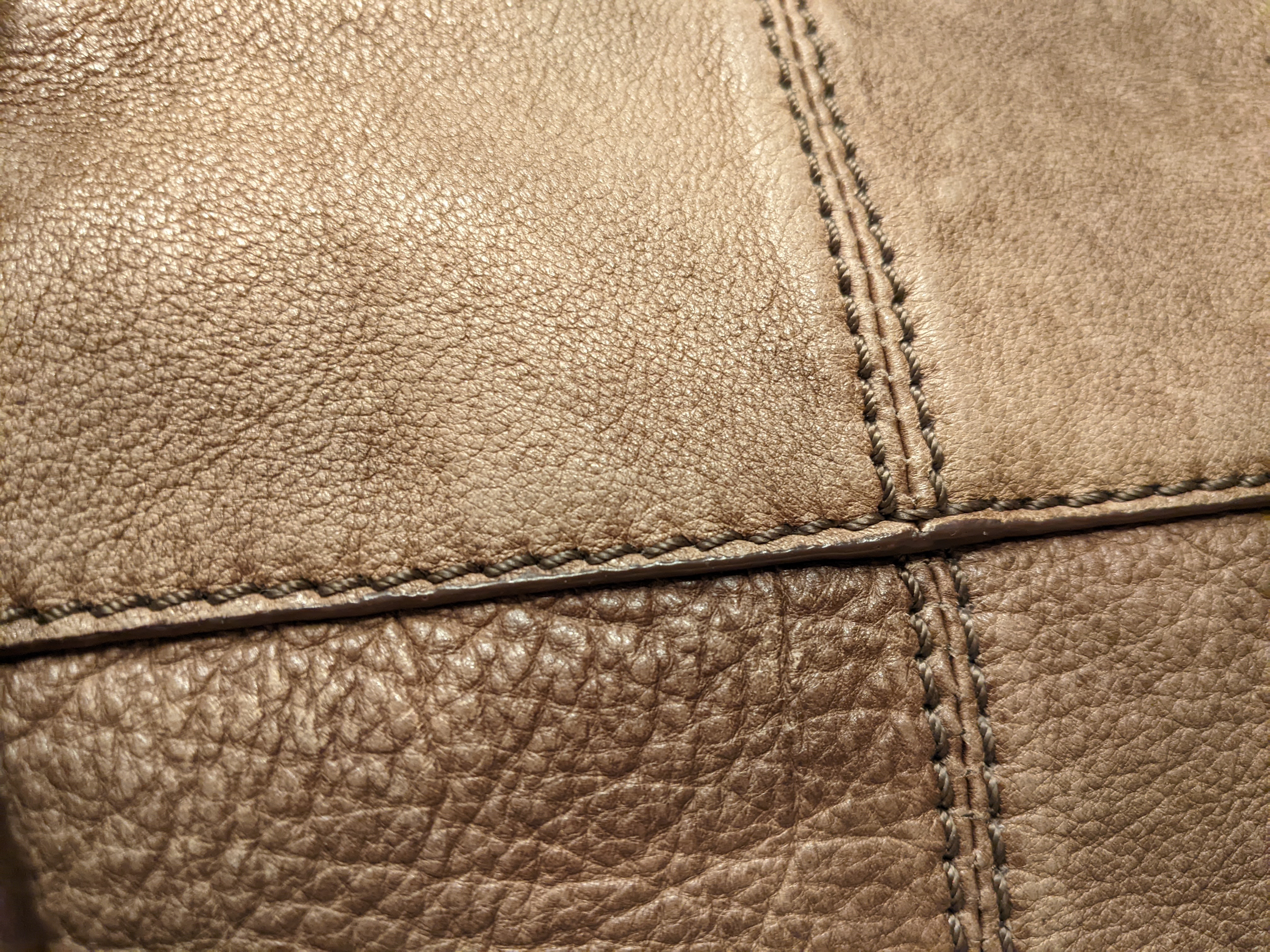
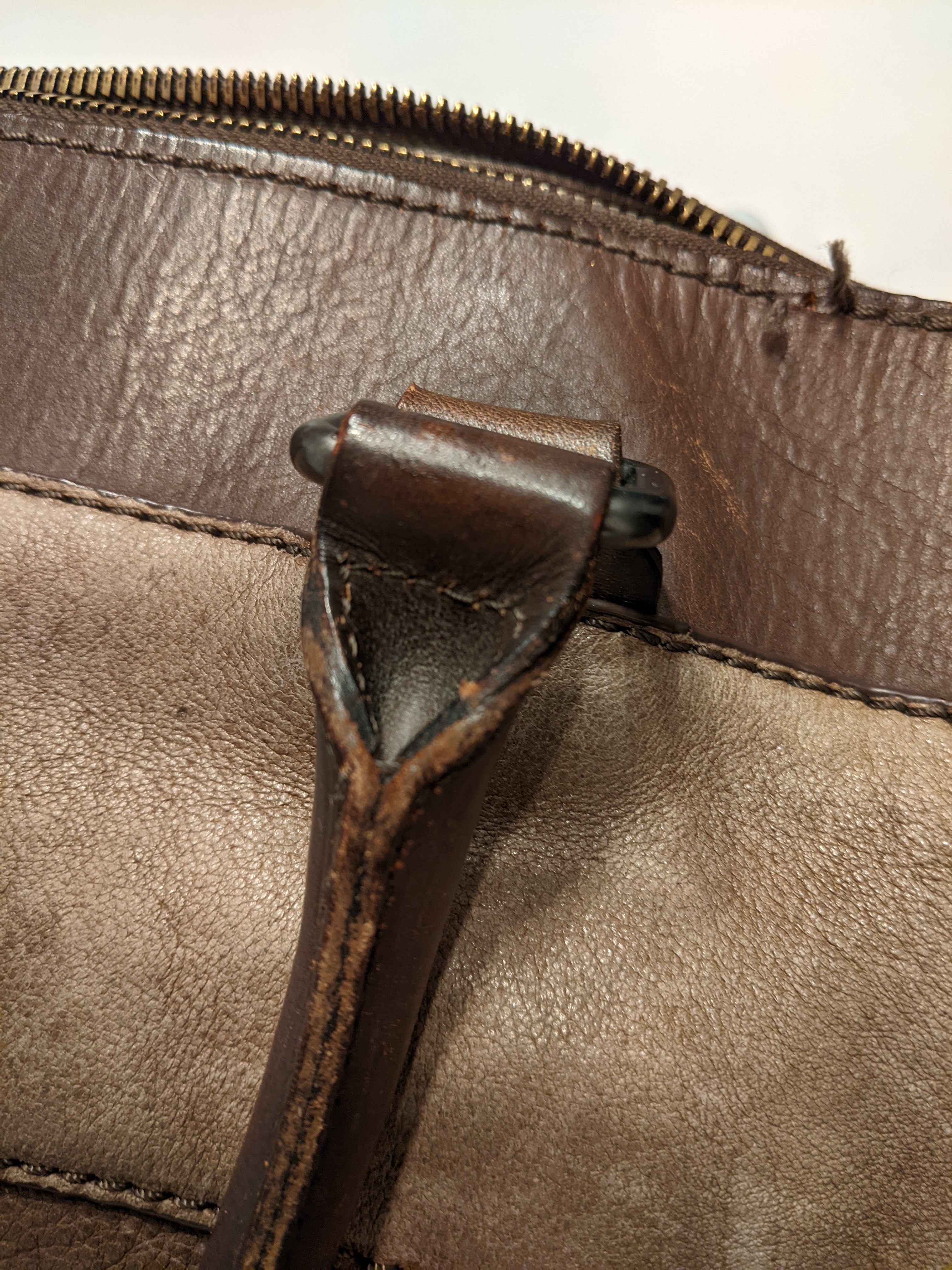
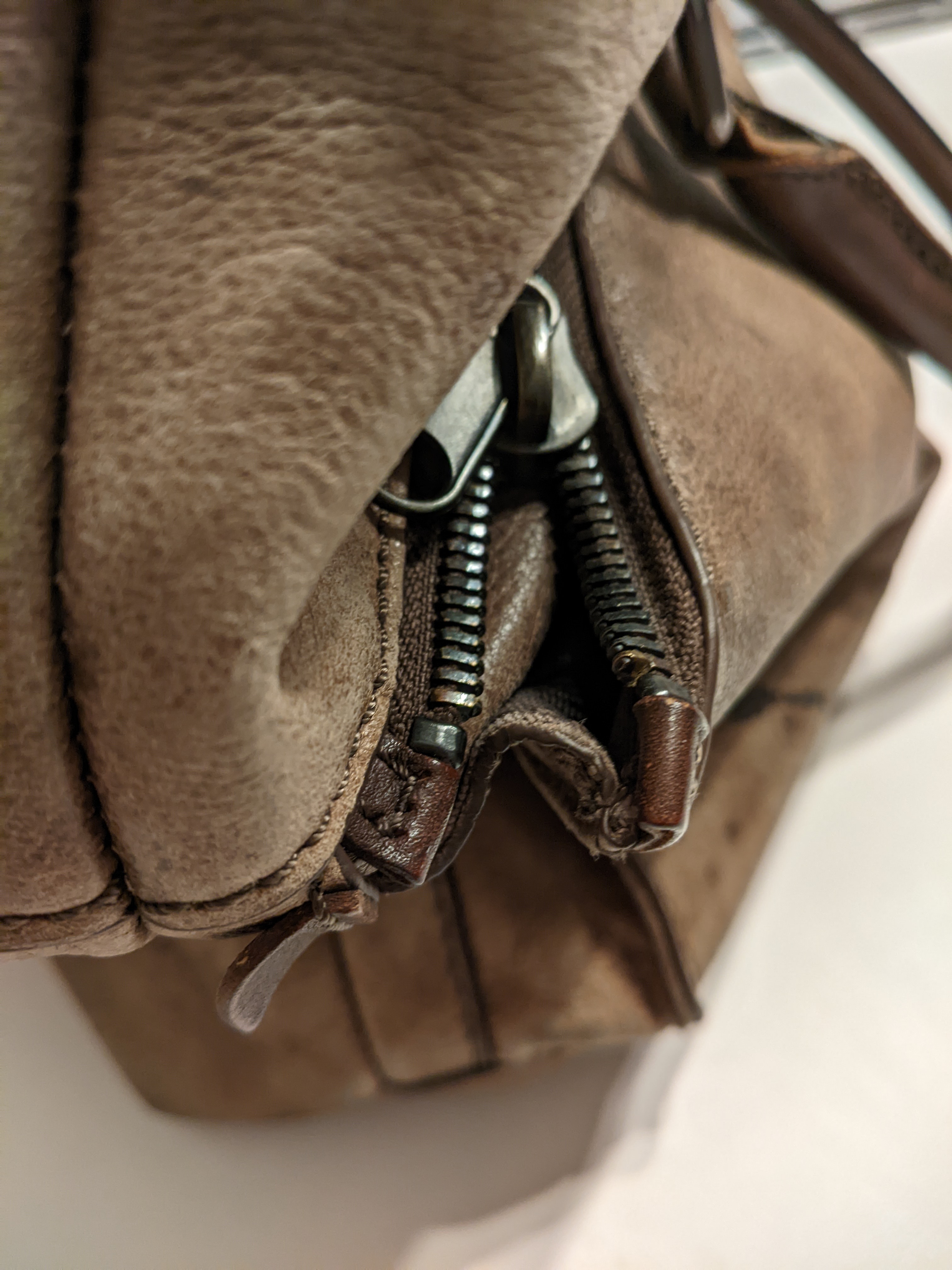
The vast majority of leather products (including expensive designer items that would otherwise be even more expensive) are made from leather from Asia.
Most of these companies (e.g. China) have the best and most modern technical conditions to comply with the required standards.
Unfortunately, there are also many black sheep among the producers due to the lack of animal protection laws in these countries. This is why extreme animal suffering may be involved.
Given the enormous quantities of leather that are produced and imported to the US and Europe each year, it is not possible for the authorities to check whether the set laws are being followed.
Therefore, use your common sense and avoid leather products that are offered at a low price. It’s not worth it. Vegan leather as described above is a way better option.
 The honest self-care
Hinterlasse einen Kommentar